

Understanding Builder Warranties for New Homes
Real Estate, Builder Warranty, New Construction Homes, Lennar
Buying a Newer Construction Home: What Happens to the Builder Warranty?
If you are eyeing a two- or three-year-old home in a newer community, you might wonder what happens to the builder warranty when the original buyer moves out. The good news: in many cases, that warranty follows the house, not the person. In this friendly guide, we will walk through how builder warranties work, how Lennar’s 1-2-10 structure fits in, and what you, as the new owner, should know before closing.
First Things First: How Builder Warranties Usually Work
A builder warranty is designed to give buyers peace of mind that major defects will be addressed for a certain period after construction. According to resources from the National Association of Home Builders and the FTC, most new home warranties cover three main areas:
Workmanship and materials – finishes, trim, doors, drywall, and many visible features, typically for about one year.
Major systems – plumbing, electrical, and HVAC systems, often for up to two years.
Structural components – the foundation, load‑bearing walls, and other critical structural elements, commonly for up to ten years.
While every builder and community can have slightly different terms, this basic pattern is common across the country. The exact topic of transferability—whether a warranty follows the home to a new owner—is handled in the written warranty document, so reading it carefully is essential.
Does the Builder Warranty Automatically Transfer to You?
In many newer communities, including those built by large national builders, the warranty is written to cover the home for a fixed time period starting from the original closing date. That means the warranty clock starts ticking when the first buyer closes, but the coverage can continue for later owners as long as the time period has not expired.
With many builder warranties, the transfer to a new owner is automatic. You do not buy a new policy; instead, you step into the remaining years of the original one. Some builders ask that you or the seller notify them of the change in ownership, or they may charge a small transfer fee, but you typically do not lose coverage just because the home has changed hands. Always confirm the specific terms in writing, but you can feel confident that builder warranties are often designed to be transferable, especially for structural coverage.
💡 Pro Tip: When you are reviewing the warranty, look for words like “subsequent owner,” “transfer,” or “successor in title.” These phrases indicate that the builder expects the warranty to move with the home.
Understanding Lennar’s 1‑2‑10 Warranty Structure
Lennar, one of the largest homebuilders in the U.S., uses a well‑known 1‑2‑10 warranty structure for many of its homes. While you should always review the most current documentation on Lennar’s site or through their homeowner resources, the general outline looks like this:
1 year – Coverage for workmanship and materials. This can include things like cabinets, flooring, interior trim, and many visible finishes. It is meant to catch early issues that show up once the home has been lived in for a while.
2 years – Coverage for major mechanical systems such as plumbing, electrical, and HVAC components. If a system was installed incorrectly or fails under normal use within this period, it may be covered.
10 years – Structural coverage for major structural defects that affect the safety or stability of the home, like significant foundation movement or failure of load‑bearing framing.
The timelines in this 1‑2‑10 structure usually begin on the original buyer’s closing date. If you are purchasing a Lennar home that is two or three years old, the one‑year workmanship coverage will likely be over, the two‑year systems coverage may be near its end or just finished, and the ten‑year structural coverage should still have several years left. That remaining structural protection can be a big benefit as you evaluate the home’s value.
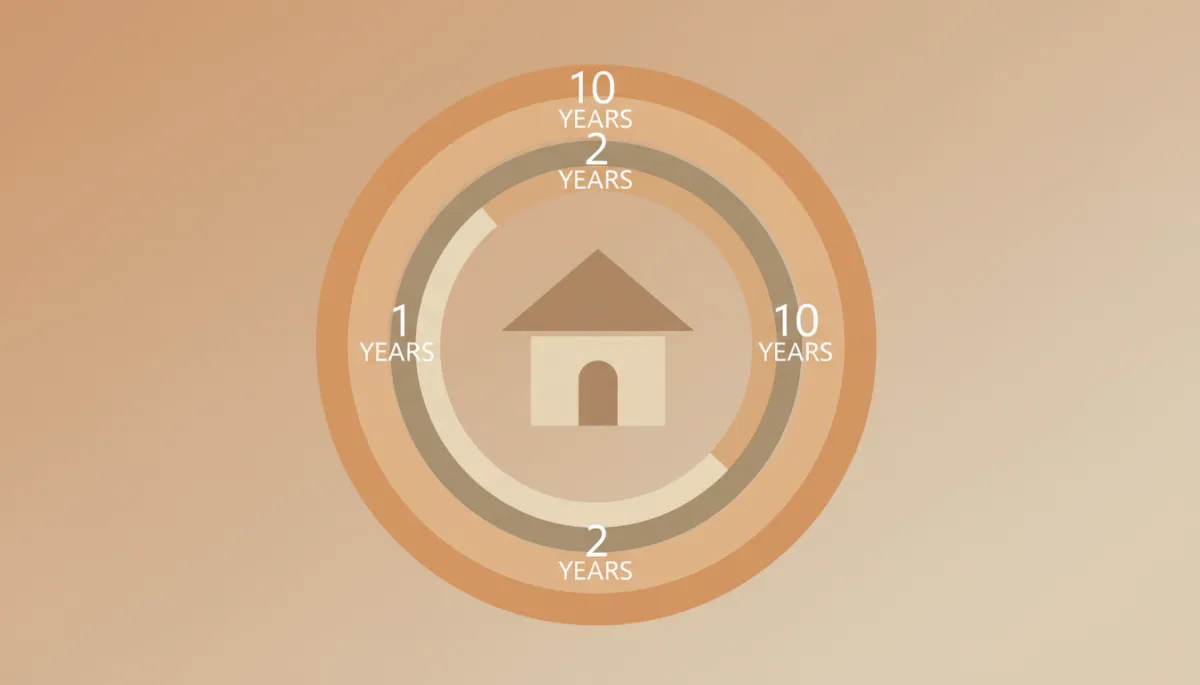
The 1‑2‑10 structure separates short‑term finish issues from long‑term structural protection.
Why a Two‑ or Three‑Year‑Old Home Can Be a Smart Buy
When people talk about new construction, they often picture a home that has never been lived in. But a home that is only a couple of years old can offer a sweet spot of benefits—especially when you factor in the builder warranty and your overall target audience of value‑conscious buyers who want modern features without the brand‑new price tag.
Most early bugs are already worked out. The first owner typically discovers and reports many of the minor issues—sticky doors, small drywall cracks, or adjustments to systems—while their one‑year coverage is active. You benefit from a home that has already gone through this “shakedown” period.
Modern layouts and energy efficiency. Two‑ or three‑year‑old homes usually feature up‑to‑date floor plans, newer appliances, and more efficient windows and insulation, without the premium pricing of brand‑new construction.
Remaining structural warranty. With a Lennar‑style 1‑2‑10 warranty, you may still have seven or eight years of structural coverage left, giving you long‑term protection on the biggest, most expensive parts of the home.
Established neighborhood feel. Landscaping has had time to grow in, neighbors have moved in, and any community‑level issues are more visible, making it easier to judge if it is the right fit for you.
From a keywords perspective, this type of home checks many boxes: “newer construction,” “builder warranty,” “Lennar 1‑2‑10,” and “smart resale purchase” all apply. It is a great option to consider if you want something that feels new but has already proven itself a bit in daily life.
How to Verify the Builder Warranty Before You Close
Before you fall in love with the kitchen island, take a moment to confirm exactly what warranty protection you will have after closing. Think of this like checking the word count on a document—you want to be sure everything lines up with your expectations. Here are some friendly, practical steps:
Ask the seller for the original warranty documents. These are often part of their closing package and may also be available in an online homeowner portal if the builder provides one.
Confirm the original closing date. This date tells you when each coverage period started. For a Lennar 1‑2‑10 warranty, you can quickly see which portions are still active.
Call the builder’s warranty department. Provide the property address and original buyer’s name, and ask them to confirm what is still in effect, whether it automatically transfers, and if any transfer forms or fees are required.
Have your real estate agent and closing attorney review. They can confirm that the warranty language is consistent with what you have been told and that any transfer steps are completed as part of the transaction.
Treat the warranty like any other important document in your home purchase: it has its own language, timelines, and conditions. Reading it ahead of time helps you avoid surprises later.
The Obligations You Inherit Along with the Warranty
A builder warranty is not a blank check. When you become the new owner, you also inherit certain obligations that help keep the warranty valid and make sure any claims are handled smoothly. These can vary by builder, but here are some common expectations:
Perform normal maintenance. You are expected to care for the home—changing HVAC filters, caulking where recommended, maintaining proper drainage around the foundation, and generally using systems as intended. Neglect can void coverage for related issues.
Follow the claim process and timelines. Most warranties require that you report issues in writing, often through an online portal or specific form, and within a reasonable time after noticing the problem. Waiting too long can make it harder to get help.
Allow the builder to inspect and repair. The builder usually has the right to send their own contractors to diagnose and fix covered defects. Hiring your own contractor first, without authorization, may limit what the builder will pay for.
Respect exclusions and limitations. Warranties typically exclude normal wear and tear, cosmetic issues after a certain period, damage from weather events, and problems caused by homeowner modifications. Knowing these limits helps you set realistic expectations.
📌 Key Takeaway: When you buy a newer construction home, you receive not only the benefits of the remaining warranty but also the responsibility to follow its rules. Think of it as a partnership between you and the builder to keep the home in good shape.
Pulling It All Together: A Friendly Checklist for Buyers
As you evaluate a newer construction home—especially one built by a large builder like Lennar—use this quick checklist to stay organized. It is a bit like tracking the image count, image style, and color scheme in a design project: a few simple checks can make a big difference in the final result.
Confirm that the builder warranty automatically transfers to you, or note any forms or fees needed.
Identify what is left on the 1‑2‑10 coverage, especially the remaining years of structural protection.
Review any past warranty claims so you know what has already been addressed.
Ask your inspector to pay special attention to structural and system components, even if they are still under warranty.
Read the warranty’s maintenance and claim instructions so you understand your obligations from day one.
Final Thoughts: Confidence in Your New‑to‑You New Construction Home
Buying a two‑ or three‑year‑old home in a newer community can be a smart move. You get modern design, energy efficiency, and often a more settled neighborhood—all while still enjoying meaningful builder warranty protection, especially on the structural side. By taking the time to understand how the warranty transfers, how Lennar’s 1‑2‑10 structure works, how to verify coverage before closing, and what obligations you inherit, you can step into your new home with confidence instead of question marks.
As a target audience of everyday buyers, you do not need to become a legal expert—you just need to know the right questions to ask and the right documents to review. With a friendly real estate professional, a careful look at the builder’s materials, and a clear understanding of your warranty, you will be well on your way to enjoying your newer construction home for years to come.